Nara Guide Volunteers
Welcome to Nara Guide Volunteers,
a non-profit website for visitors to Ancient Nara!
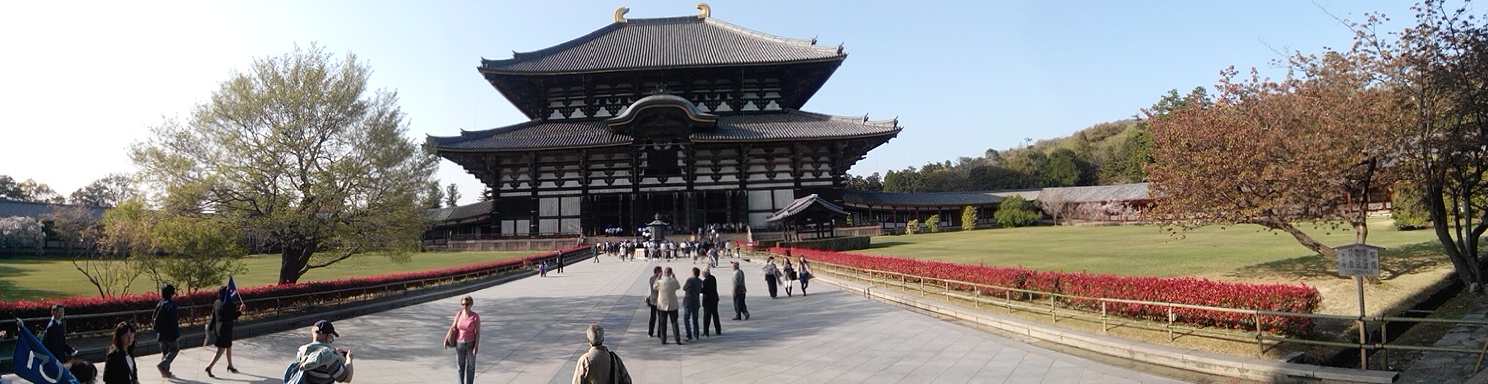
Welcome to Ancient Nara
About 1300 years ago, Nara had been the first permanent capital of Japan for 74 years. Such period is called Nara Period.
As a center of ancient Japan, Nara played a key role politically and culturally.
One of the key events took place was Japan's adoption of Buddhism. The Buddhism was founded in India 500 B.C. by Gautama Buddha and introduced to Japan early
6th century via China and Korean Peninsula. Throughout the Nara Period, Japan
was politically unstable and people suffered tough living from great earthquake, floods, famine, contagious disease, etc. The Buddhism was designated as
the state religion and was expected to protect the state and save people
from tough living. Eventually many of fundamental parts of
Japanese cultures and character were created and rooted in Ancient Nara Period.
"Nara is one of the most rewarding destinations in the country.
Indeed, with eight Unesco World Heritage Sites, Nara is second only to Kyoto
as repository of Japan's cultural legacy. The centerpiece is, of course,
the Daibutsu, or Great Buddha, which rivals Mt. Fuji and Kyoto's Golden
Pavilion (Kinkaku-ji) as Japan's single most impressive sight. The Great Buddha is housed in Todaiji, a soaring temple that presides over Nara-koen, a park filled with other fascinating sights that lends itself to relaxed strolling amid the greenery and tame deer." (Cited from lonely planet Japan, 2011)
Eight UNESCO World Heritage Sites in Ancient Nara
Todaiji Temple
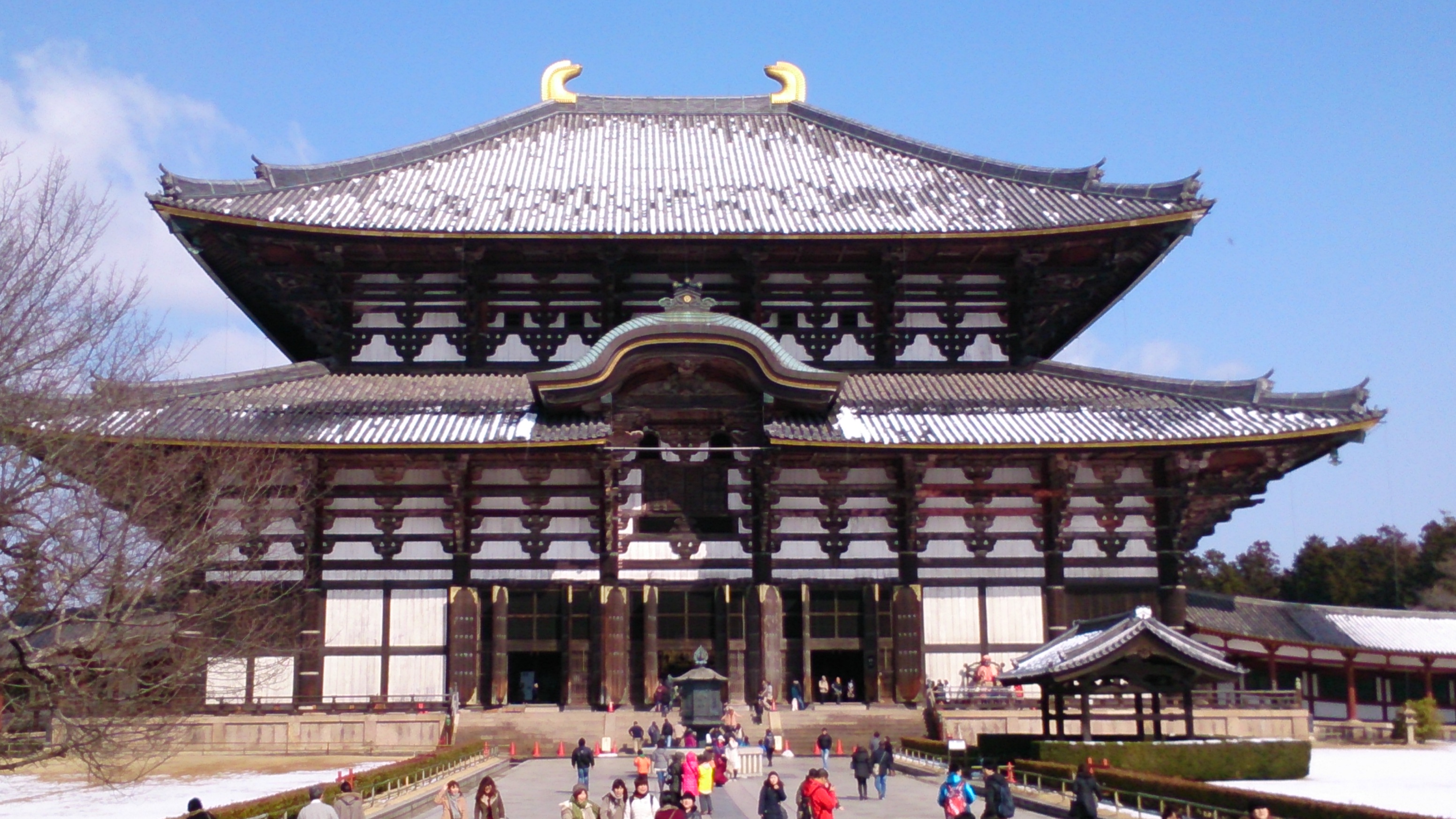
Indeed seeing is believing. Today's Todaiji Great Buddha Hall had been rebuilt about 300 years ago during Edo Period. Though, it is still the largest wooden structure in the world. The very original Great Buddha Hall that was built during Nara Period had been even larger than today's by 50% and the whole project had been completed in 9 years. Isn't it unbelievable? Come and visit to eyewitness what had been achieved here 1300 years ago. For more detail, click here Todaiji Temple.
Kasuga Grand Shrine
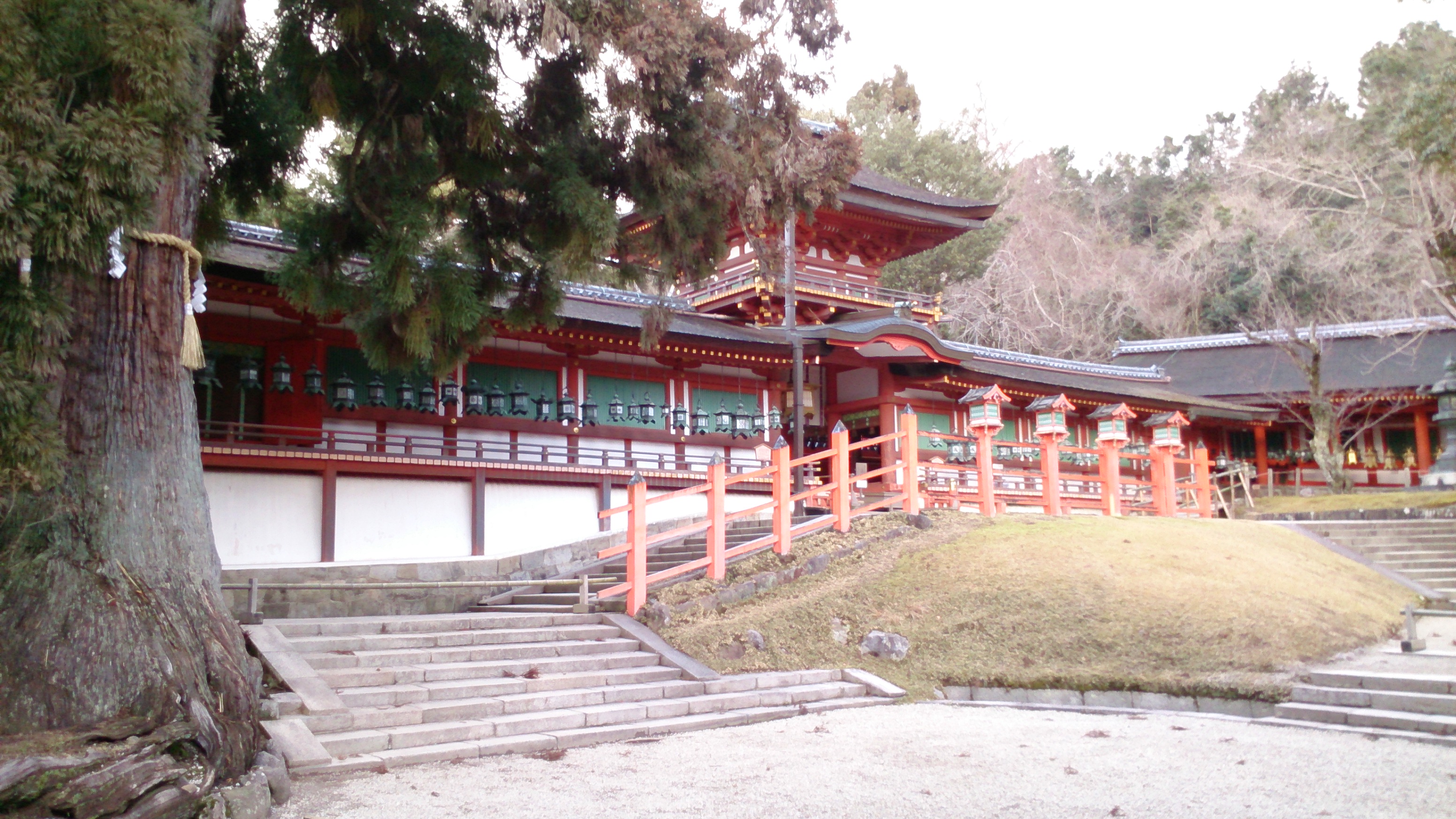
Built by Ancient Nara's most powerful aristocratic family Fujiwaras who had close ties with the imperial family. Kasuga Grand Shrine is one of the best known and most photographed Shinto Shrines. Kasuga has been particularly popular among young Japanese couples who could enjoy walking hand in hand through the tranquil wooded approach road and walkways around this vermilion-colored shrine. Its subshrines are dedicated for match-making, success in business, etc. For more detail, click here Kasuga Grand Shrine.
Kofukuji Temple
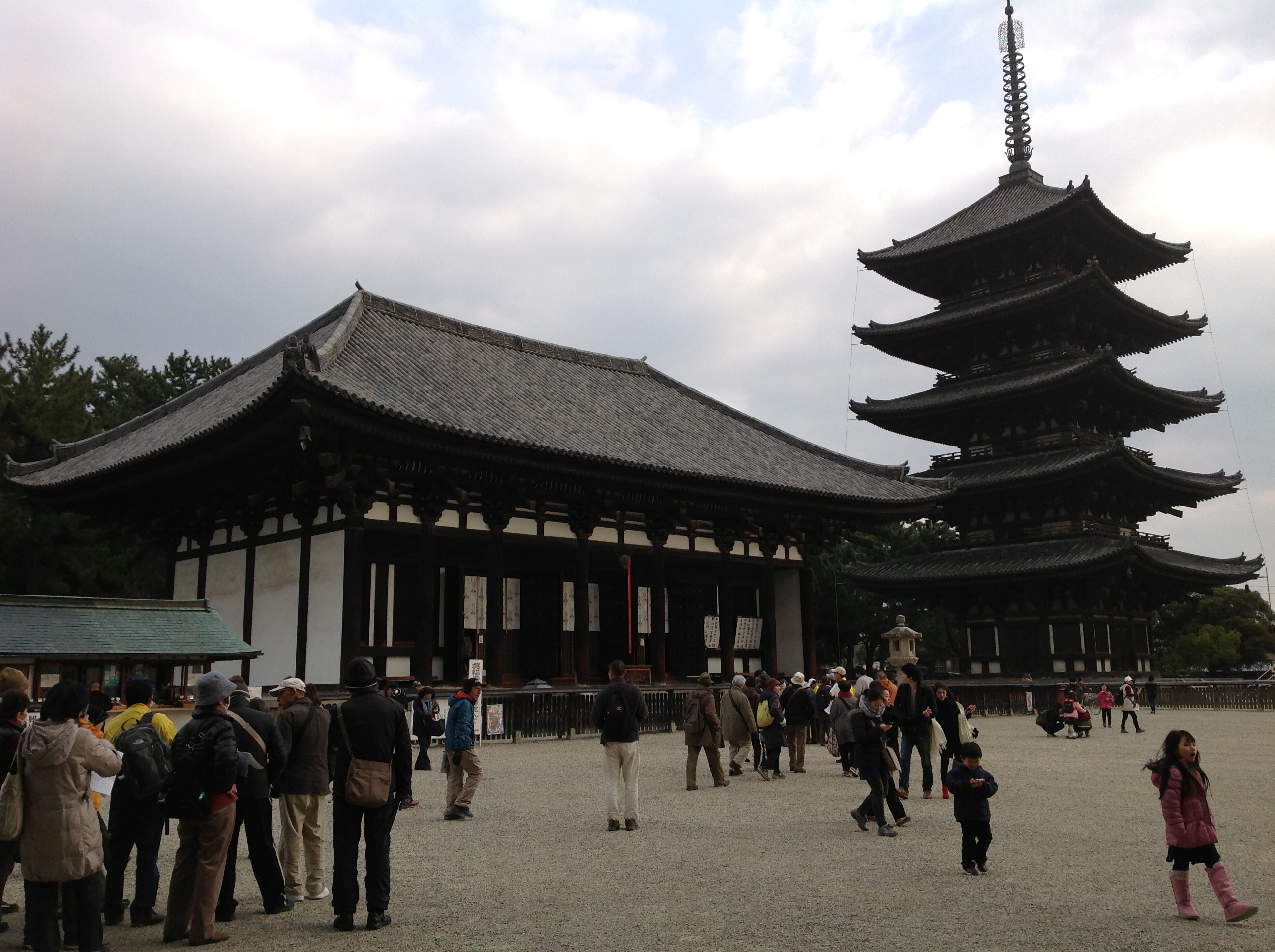 Built as the main temple of the Fujiwara family during Ancient Nara Period. Originally 175 buildings stood in the complex, though, only a dozen remain due to lightening fires and destruction as a result of power struggles mainly during the age of provincial wars (1467 - 1615). However, Kofukuji has the Japan's second tallest five-storied pagoda standing for almost 600 years since 1426. Kofukuji as a single temple has the most number of Japan's National Treasures in terms of Buddhist art. Housed in the National Treasure Hall includes the most popular exquisite 8th-century statue of Ashura. For more detail, click here Kofukuji Temple.
Heijo Imperial Palace Site
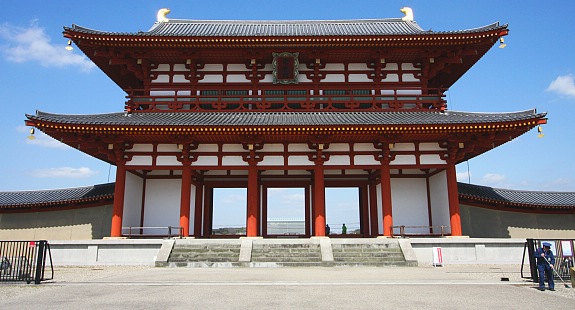 Approximately 1300 years ago, Japan's first permanent capital was built here and lasted for a period of 74 years. The capital's city plan was designed after the Chinese Tang Dynasty's Capital, Chang'an. When the ancient capital was moved from Nara to the new capital, virtually all buildings were dismantled and reused. Thus, the Nara Capital and the Imperial Palace Site were ruined unattended and remained as rice fields for almost 1200 years. Today, the excavation of the Site has been underway since 1955 for 60
years. With the restored main buildings that include the main Palace Gate (Suzaku-mon) and the Imperial Audience Hall,
For more detail, click here Heijo Imperial Palace Site.
Approximately 1300 years ago, Japan's first permanent capital was built here and lasted for a period of 74 years. The capital's city plan was designed after the Chinese Tang Dynasty's Capital, Chang'an. When the ancient capital was moved from Nara to the new capital, virtually all buildings were dismantled and reused. Thus, the Nara Capital and the Imperial Palace Site were ruined unattended and remained as rice fields for almost 1200 years. Today, the excavation of the Site has been underway since 1955 for 60
years. With the restored main buildings that include the main Palace Gate (Suzaku-mon) and the Imperial Audience Hall,
For more detail, click here Heijo Imperial Palace Site.
Yakushiji Temple
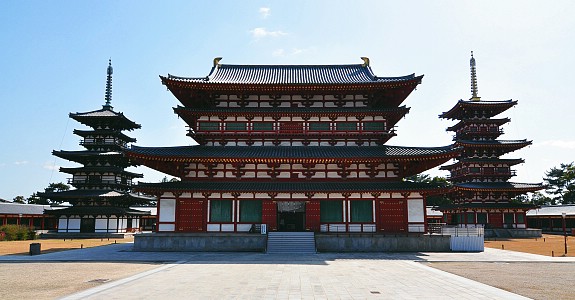 Built in 718. Although only remaining is the three-story East Pagoda, the temple's restoration efforts have been ongoing since 1967. Coupled with millions of people's donations, the major buildings including the Main Hall, the Lecture Hall, the Inner Gate and the East Pagoda have been restored. Therefore, Yakushiji is one of the perfect places where you can visualize the temple site vividly as it was 1300 years ago.
For more detail, click here Yakushiji Temple.
Built in 718. Although only remaining is the three-story East Pagoda, the temple's restoration efforts have been ongoing since 1967. Coupled with millions of people's donations, the major buildings including the Main Hall, the Lecture Hall, the Inner Gate and the East Pagoda have been restored. Therefore, Yakushiji is one of the perfect places where you can visualize the temple site vividly as it was 1300 years ago.
For more detail, click here Yakushiji Temple.
Toshodaiji Temple
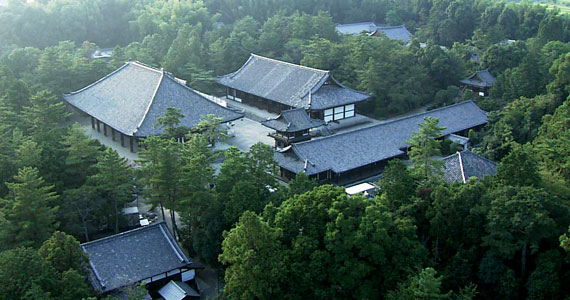 Founded in 759 by the Tang Dynasty high priest Ganjin who has been one of the most respected Chinese Buddhist priest in Japan then and even today. Upon receiving the Japanese Emperor's invitation, Ganjin attempted to cross the sea from China toward Japan, but failed five times and lost his eyesight. He finally made it to arrive at Nara in 754. He founded the first ordination temple beside the Todaiji. Later, he moved to the present site. Toshodaiji's Kondo Main Hall is the only one of its type remaining from the Ancient Nara Period. Toshodaiji is where you can fully enjoy strolling in calm and tranquil wooded temple complex away from other busy sights.
For more detail, click here Toshodaiji Temple.
Founded in 759 by the Tang Dynasty high priest Ganjin who has been one of the most respected Chinese Buddhist priest in Japan then and even today. Upon receiving the Japanese Emperor's invitation, Ganjin attempted to cross the sea from China toward Japan, but failed five times and lost his eyesight. He finally made it to arrive at Nara in 754. He founded the first ordination temple beside the Todaiji. Later, he moved to the present site. Toshodaiji's Kondo Main Hall is the only one of its type remaining from the Ancient Nara Period. Toshodaiji is where you can fully enjoy strolling in calm and tranquil wooded temple complex away from other busy sights.
For more detail, click here Toshodaiji Temple.
Kasugayama Primeval Forest
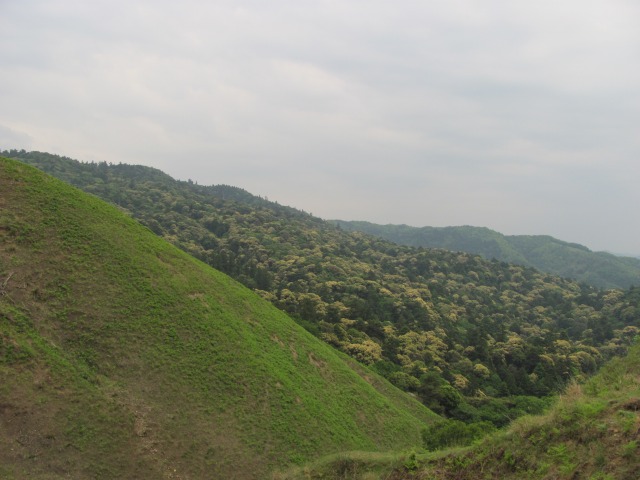 Inside the Primeval Forest where designated as Sanctuary of Kasuga Shrine, logging, tree trimming and hunting have been banned over 1100 years. The primitive faith of nature evolved into Japanese traditional view of nature. Thus, the Forest has been designated as the cultural heritage rather than the natural heritage. The Forest is in walking distance from the Nara city. You can easily walk on the nature trail (9.2 km long) around the Forest. Your mind may be deeply healed by lush and dense big trees.
For more detail, click here Kasugayama Primeval Forest.
Inside the Primeval Forest where designated as Sanctuary of Kasuga Shrine, logging, tree trimming and hunting have been banned over 1100 years. The primitive faith of nature evolved into Japanese traditional view of nature. Thus, the Forest has been designated as the cultural heritage rather than the natural heritage. The Forest is in walking distance from the Nara city. You can easily walk on the nature trail (9.2 km long) around the Forest. Your mind may be deeply healed by lush and dense big trees.
For more detail, click here Kasugayama Primeval Forest.
Gangoji Temple
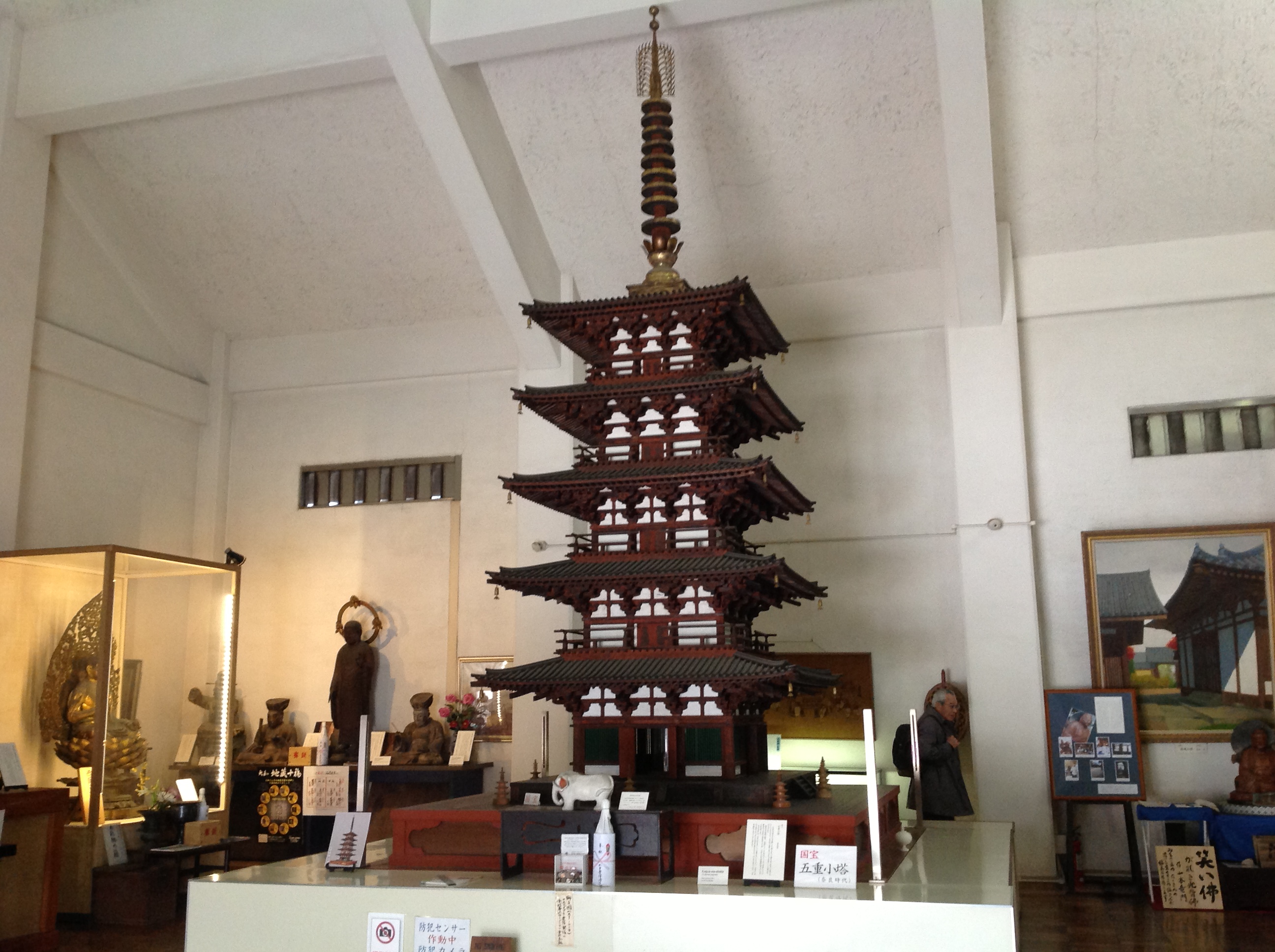 Gangoji was built in 596 as Japan's first Buddhist Temple. When the capital was moved to Nara, Gangoji also moved to the present site in Naramachi district and was proclaimed one of the Seven Great Temples of Nara. After 1300 years, this once grand complex is now a fairy small temple, though, it has numerous national treasures that include the Paradise Hall (Gokurakubo), the Miniature Five-storied Pagoda in the Treasure Hall, etc. The Paradise Hall's roof tiles are believed to be made by Korean craftsman and the very first tiles produced in Japan. Gangoji Temple